




Table Of Content
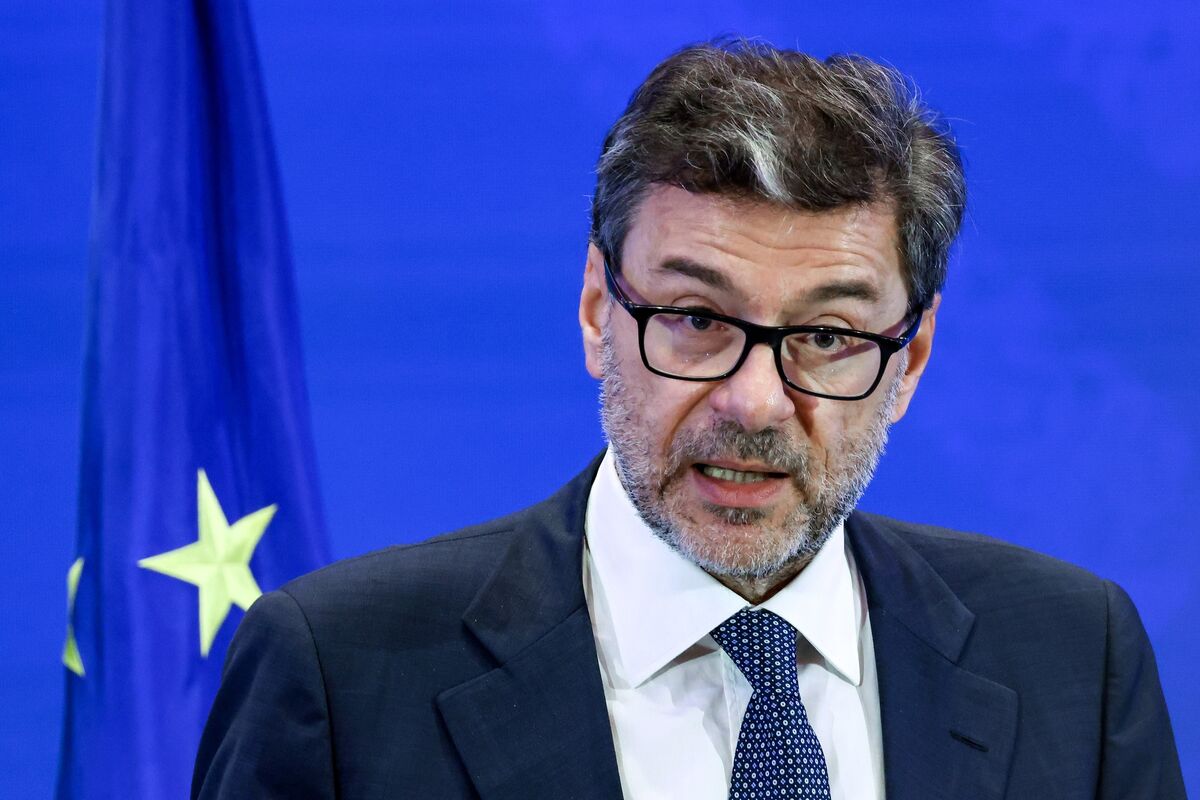
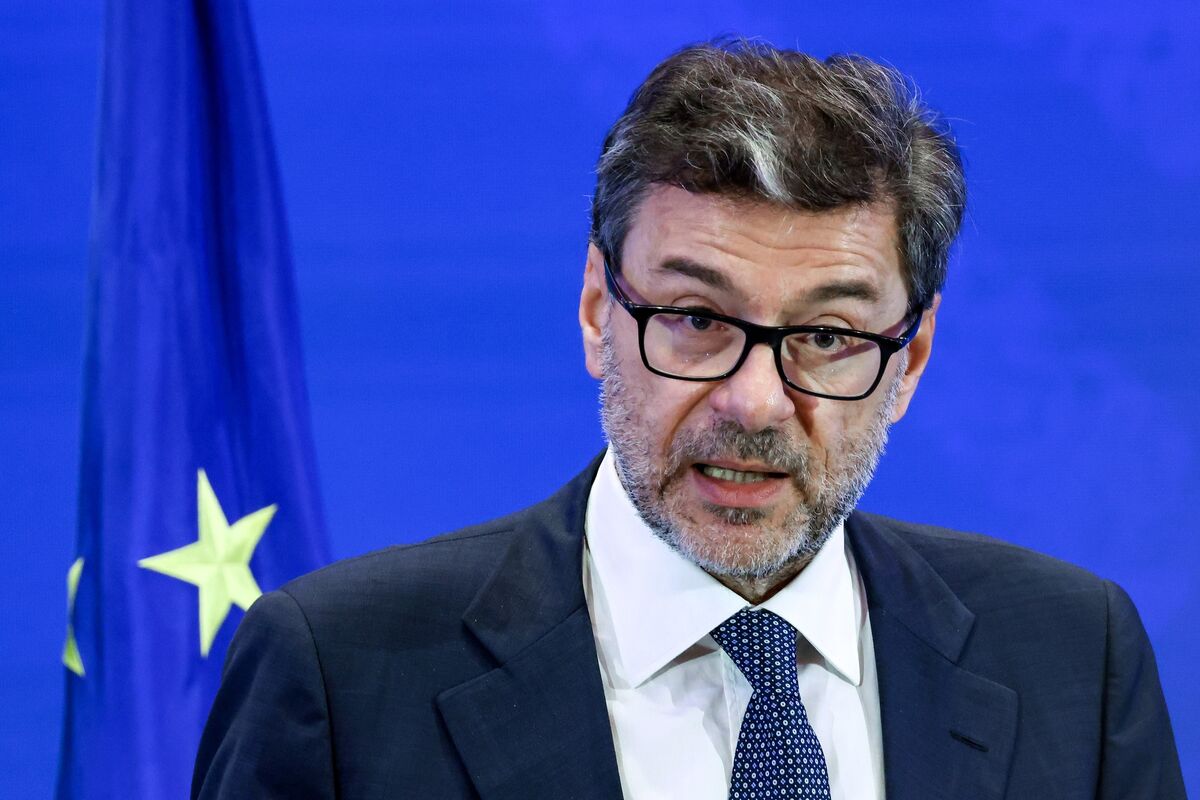
This headline points to a significant and politically sensitive fiscal proposal in Italy. Here’s a breakdown of what Italian Economy Minister Giancarlo Giorgetti’s statement likely means, its context, and the potential implications.
The Core Proposal
Giorgetti, a key minister in Prime Minister Giorgia Meloni’s right-wing government, is suggesting that Italian banks could help finance the government’s planned tax cuts (a key campaign promise of Meloni’s Brothers of Italy party).
The mechanism isn’t specified in the headline, but based on past Italian and European contexts, it would likely involve one or both of the following:
A Windfall Tax: A one-time or temporary extra tax on banks’ “excess” profits, which have been substantial due to rising interest rates. This has been implemented in several European countries (Spain, Czech Republic, Lithuania) and was debated in Italy last year.
“Gentleman’s Agreement”: A less formal, negotiated request for banks to increase their holdings of Italian government bonds (BTPs) or to contribute to a sovereign fund, indirectly easing government borrowing costs and freeing up fiscal space.
Political and Economic Context
Meloni’s Promise: The Meloni government came to power promising tax cuts, particularly for workers and families, to combat the high tax burden and boost economic growth.
Fiscal Constraints: Italy has a massive public debt (over 140% of GDP) and is under EU scrutiny to manage its deficit. Finding revenue to fund tax cuts without breaking EU fiscal rules is a major challenge.
Bank Profits: Italian banks have reported record profits recently, as the European Central Bank’s rate hikes widened the margin between what they charge on loans and pay on deposits. This has made them a visible target for policymakers seeking revenue.
Potential Implications & Reactions
Positive for the Government:
Provides a potential source of revenue to deliver on a popular political promise without immediately worsening the deficit.
Could be framed as ensuring the banking sector “contributes” to society during a time of economic strain for households.
Risks and Criticisms:
Market Reaction: This could spook investors. A windfall tax might be seen as punitive and unpredictable, potentially hurting bank valuations and raising their cost of capital. If it involves pressuring banks to buy more debt, it could blur the line between monetary and fiscal policy.
Banking Sector Pushback: Banks will argue that strong profits are necessary to build capital buffers after years of low rates, fund lending to the economy, and pay back state aid from past crises. They will warn that such measures could reduce their ability to support growth.
EU Scrutiny: The European Commission and the ECB are generally wary of sector-specific taxes that could distort competition or undermine financial stability. They would closely examine any such proposal.
Economic Debate: Critics might argue this is a short-term political fix that doesn’t address Italy’s structural need for broader tax reform and spending efficiency. It could discourage investment in the financial sector.
Broader Meaning
Giorgetti’s comment is a clear signal of the government’s political priority to deliver tax cuts and its search for politically palatable ways to pay for them. It reflects a classic tension: using the “windfall” from central bank policy (higher rates) to fund fiscal policy (tax cuts).
The statement is likely as much a political signal to the public (“we are finding the money”) and a bargaining chip with the banking sector as it is a finalized policy. The final shape of any such measure, and whether it passes, will depend on negotiations with banks, market conditions, and reactions from EU institutions.
In short, this is a high-stakes proposal that ties together Italian domestic politics, banking sector stability, and EU fiscal rules. It will be a major story to watch in the coming months.