




Sports and global culture in 2026 are deeply intertwined, reflecting not just competition and entertainment, but identity, diplomacy, technology, and social change. In our context—shaped by globalization, digital media, and a younger, hyperconnected population—sports are no longer isolated events. They influence how nations are perceived, how cultures interact, and how people across borders feel connected to something larger than themselves.
The single biggest sporting event of 2026 is the FIFA World Cup, hosted jointly by the United States, Canada, and Mexico. This tournament is historic on multiple levels. It is the first World Cup to feature 48 teams, expanding representation from Africa, Asia, and the Middle East. For countries like Pakistan and others in South Asia that may not yet qualify, the impact is still massive. Viewership, digital engagement, fantasy leagues, and social media conversations turn the World Cup into a shared global experience. Cafés, homes, and online spaces become cultural hubs where football acts as a universal language, cutting across politics, religion, and borders.
Beyond football, 2026 marks a shift in how sports consumption happens. Streaming platforms, short-form video apps, and AI-driven highlights are redefining fandom. Younger audiences increasingly follow athletes as cultural icons rather than just players. A cricketer, footballer, or Olympic athlete today is also a brand, activist, and influencer. In our context, where youth make up a significant portion of the population, this creates new aspirations—not only to play sports, but to engage with sports-related careers in media, analytics, fitness, and digital content creation.
Cricket, while not the headline global event in 2026, continues to hold immense cultural power in South Asia. Franchise leagues, international tours, and evolving formats like T20 keep the sport fast-paced and commercially strong. What’s changing is the global crossover—cricket audiences now follow football leagues, UFC, Formula 1, and basketball with equal enthusiasm. This blending of sports cultures reflects a more global identity, where fans are no longer limited by geography.
Global culture in 2026 is also shaped by mega-events beyond stadiums. Music tours, esports championships, and international festivals increasingly overlap with sports audiences. Esports, in particular, are gaining legitimacy as competitive, professional events watched by millions. For many young people in
Another major trend is the role of sports in soft power and national image. Hosting events, producing global stars, or excelling in international competitions boosts a country’s cultural influence. Even without hosting, participation itself matters. Athletes from developing nations who succeed internationally become symbols of hope and progress, inspiring pride at home and recognition abroad. In our context, such moments resonate deeply, often uniting people across social and political divides.

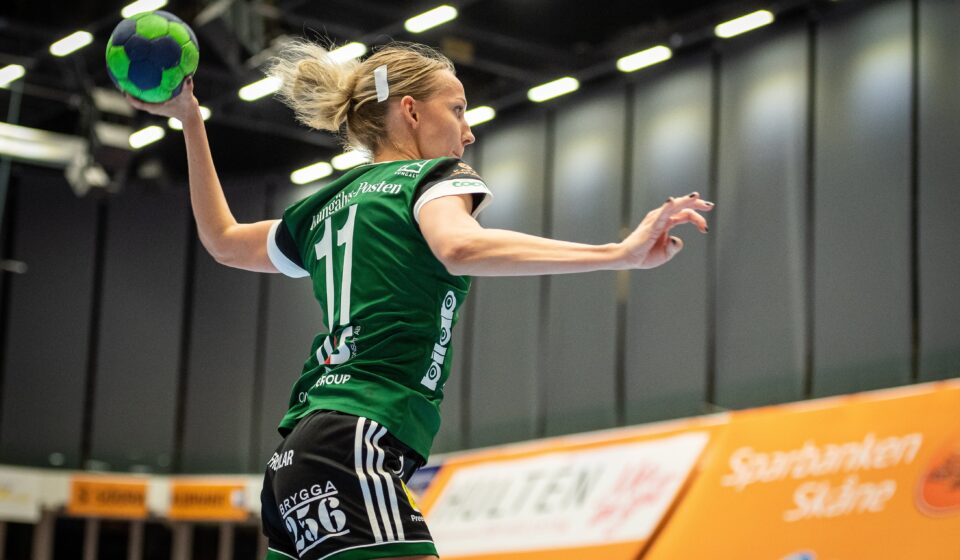
Sports in 2026 are also more openly connected to social issues. Topics like mental health, gender equality, inclusion, and fair pay are no longer side conversations—they are central. Women’s sports are receiving increased coverage and investment, slowly changing cultural attitudes in traditionally conservative societies. While challenges remain, visibility itself becomes a catalyst for change, encouraging participation and acceptance at the grassroots level.
Culturally, sports act as a bridge between the local and the global. A teenager watching the World Cup on a smartphone, following an athlete on Instagram, and debating tactics on X (Twitter) is participating in a shared global culture while still rooted in local traditions. This dual identity—local pride with global awareness—is defining our era.
In conclusion, sports and global culture in 2026 are not just about trophies or titles. They are about connection, representation, and influence. In our context, sports provide entertainment, opportunity, and a sense of belonging in a rapidly changing world. Whether through football’s global stage, cricket’s enduring legacy, or the rise of digital competition, sports continue to shape how we see ourselves—and how the world sees us.