



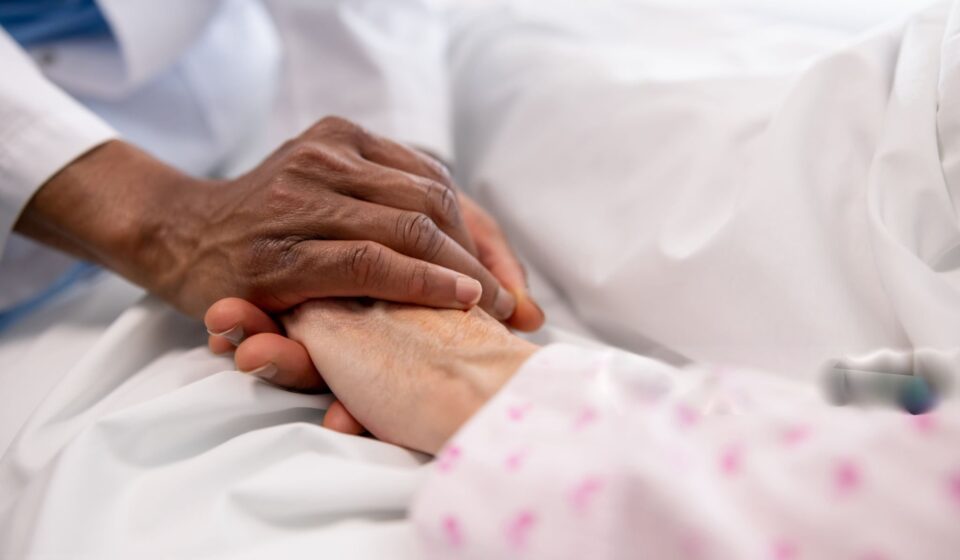

Hospitals Sound Alarm: End-of-Life Care Crisis Now Impacting Overall Treatment
Healthcare leaders are issuing a stark warning: a deepening crisis in end-of-life and palliative care services is creating a dangerous domino effect, now actively threatening the treatment and timely care of all patients within NHS hospitals. This is not an isolated issue for specialist palliative teams but a systemic failure that is clogging the entire hospital system, leading to increased waiting times, ambulance handover delays, and compromised care for those needing emergency or elective treatment.
The core of the problem lies in a perfect storm of inadequate resources. There is a severe national shortage of specialist palliative care staff, both within hospitals and in community settings. Simultaneously, a lack of suitable care home places and insufficient support for home-based dying—a preference for most individuals—means patients who are ready for end-of-life care have nowhere to go.
Consequently, these patients remain in acute hospital beds, often for weeks, in wards not designed for palliative support. This phenomenon, known as “bed blocking,” has dire knock-on effects. Emergency departments become gridlocked as ambulances queue outside, unable to offload new patients because no beds are available upstairs. Surgically fit patients cannot be moved from recovery to wards, forcing the postponement of vital operations like cancer surgeries and hip replacements. The entire flow of the hospital seizes up.
“The situation has moved beyond a palliative care shortage; it is now an operational emergency for the whole hospital,” stated one NHS trust chief executive. “When a bed that should be used for someone recovering from a stroke or major surgery is occupied for weeks by a patient waiting for a social care package or a hospice place, it directly harms the next person in line. We are failing patients at the end of their lives by not providing the right care in the right setting, and we are failing every other patient by creating intolerable delays.”
The crisis is also taking a profound human toll on staff. Nurses and doctors on general wards, without specialist training, are struggling to provide the complex pain management and psychosocial support dying patients and their families require, leading to moral distress and burnout. Families, meanwhile, are left navigating a fragmented system at their most vulnerable moment, often feeling their loved ones are not receiving the dignified, compassionate death they deserve.
Charities and medical bodies are calling for urgent, integrated action. Their demands include a significant increase in funding for community palliative care teams, greater investment in hospice services, and a long-term workforce plan to train more specialist nurses and consultants. Crucially, they emphasize the need for seamless integration between the NHS and social care, to create a functional pathway out of hospital for those at the end of life.
The warning from hospitals is clear: a civilised society is judged by how it cares for its most vulnerable. The current breakdown in end-of-life care is not only a profound failure in its own right but is now actively eroding the quality and timeliness of treatment for the entire population. Addressing this crisis is therefore not merely an act of compassion, but a fundamental necessity for restoring the functionality of the wider healthcare system.